How Much Should I Charge to Create an E-commerce Website in Nigeria?
Just think about it, Have you ever been asked to create an e-commerce website, the first thing that might comes to your mind is: How much should I charge?
Pricing an e-commerce website is very tricky.
It’s not the same thing as a blog or basic business site.
There are many more features, tools, and time involved.
To get it straight up, you need to understand the customer basic needs, the project’s scope, and the value you’re rendering.
In this guide, I’ll explain to you how you can calculate your charges for creating an e-commerce website in Nigeria.
Let’s look straight into it!
Why is pricing necessary?
The price you set says a lot about your work field.
If it is too cheap, then clients may think you’re not well skilled enough.
If it is too high without proper justification, and you risk chasing them off.
The secret is to strike a better balance.
When deciding how much to charge, consider these factors:
The size and complexity of the website.
You have to talk about the time and tools needed to get the job done.
Your experience and skills.
What Will Take Place in Building an E-commerce Website

Before you can think of setting a price, let’s break down the work involved.
Is not like a common websites, e-commerce sites that comes with additional characteristics, such as items pages, payment methods, and add to carts.
These are the main factors of it:
1. Domain Name

Presently every website needs a domain name.
For an e-commerce site, a perfect domain is key.
Well known options that is include:
.COM: ₦5,000 to ₦12,000 per year.
.COM.NG: ₦1,500 to ₦3,000 per year.
.NG: ₦9,000 to ₦15,000 per year.
Some clients might already own a domain.
If not, you’ll need to guide them or handle the purchase.
Make sure to include this cost in your pricing.
2. Web Hosting

Web hosting keeps the e-commerce site online.
For online stores, you’ll need hosting that can handle large traffic and data.
Presently In Nigeria, hosting costs is not constant:
Here is the prices:
Basic Hosting: Which starts from ₦10,000 to ₦20,000 per year (it’s a perfect match for small stores).
Advanced Hosting: ₦30,000 to ₦80,000 per year (for bigger stores).
That is why I recommend a good hosting which is Hostlinko for their service.
They render:
A free .COM.NG domain with annual hosting.
Free SSL certificates for safety transactions.
Fast SSD storage for quick speed.
3. E-commerce Platform
You are going to need a platform to build the website. Common options available are:
WordPress with WooCommerce (free, but some plugins are paid).
There is Shopify (it’s monthly fees start from $29).
There is Magento (the most suitable for big custom stores).
Now basically, the platform you select will definitely affect your price.
4. Design and Customization
You need to know that an e-commerce website needs to look professional and user friendly.
These are the tasks included:
Selecting and customizing themes.
By creating a responsive design for both mobile and desktop.
Addition of brand colors, logos, and fonts.
The premium themes for e-commerce sites usually cost ₦20,000 to ₦60,000.
If your customers request for a custom design, you’ll have to charge more because it takes more time and expertise.
5. Product Pages and Categories
Adding products to the website is one of the most time-consuming tasks.
Each product requires:
Title and description.
High-quality images.
Pricing and variations (e.g., size, color).
If a client has 100 products or more, uploading them manually will take hours.
You can charge separately for this or offer it as part of a package.
6. Payment Gateways
E-commerce websites need secure payment systems.
Common gateways in Nigeria include:
Paystack (popular for local and international payments).
Flutterwave (easy integration with multiple currencies).
Setting up payment gateways requires technical know-how.
This is another factor to include in your pricing.
7. Plugins and Features
An e-commerce site needs several features to function properly, such as:
Cart and Checkout: For managing orders.
Shipping Calculator: This is to calculate delivery fees.
SEO Tools: For better search engine rankings.
Email Marketing: For sending newsletters to customers.
Some plugins are free, but others cost between ₦5,000 and ₦50,000 per year.
If premium tools are required, add these costs to your final bill.
8. SEO Optimization
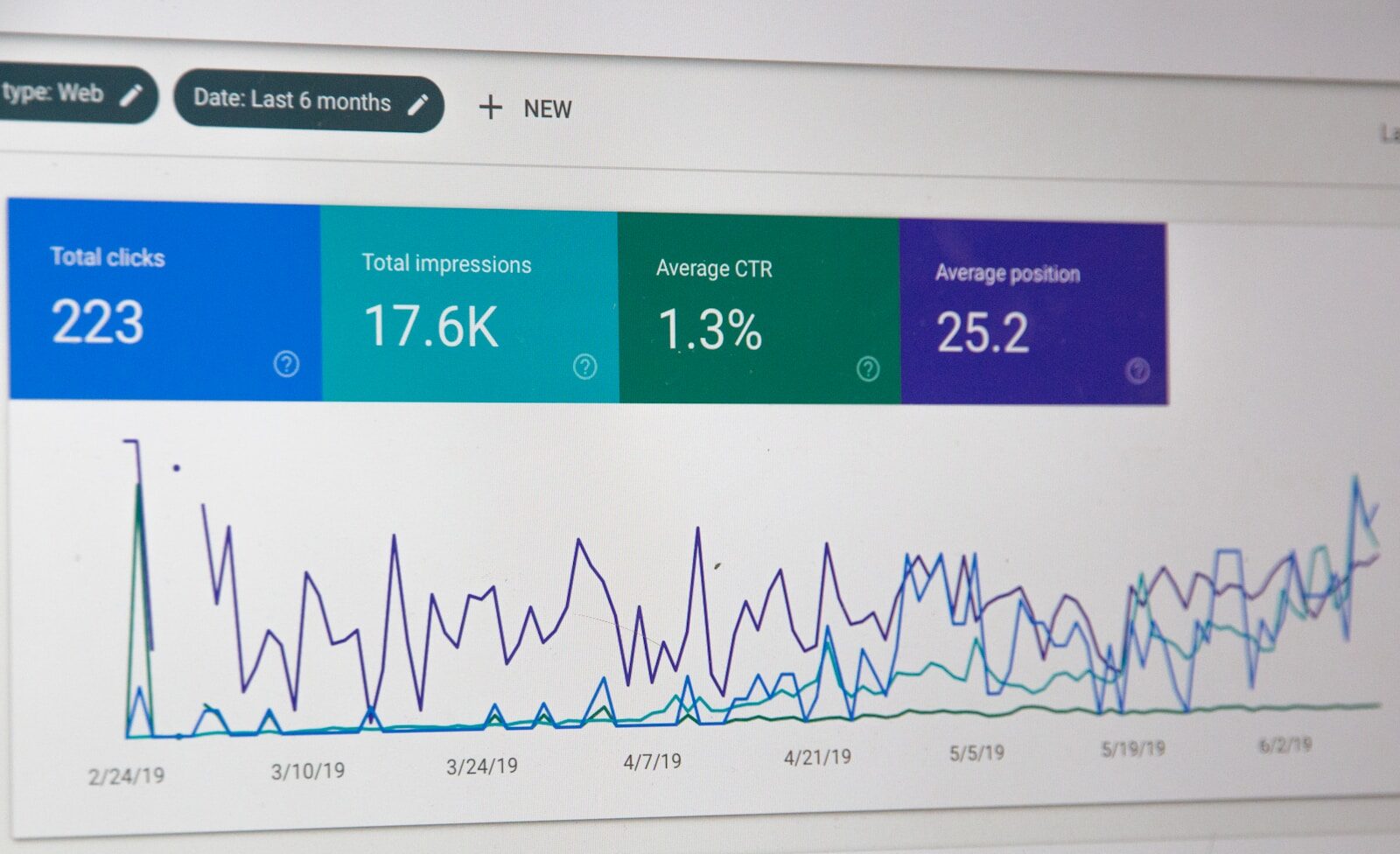
Search Engine Optimization (SEO) ensures that the website ranks high on Google.
Basic SEO involves optimizing:
Product titles and descriptions.
Meta tags and keywords.
Image alt texts.
Advanced SEO services like keyword research or backlink building can cost extra.
9. Testing and Launch
Before going live, you’ll need to test the website to ensure everything works perfectly.
This includes:
Testing payment gateways.
Checking for broken links.
Ensuring fast page load speeds.
10. Maintenance and Support
Even after launching the website, your client may need ongoing support.
Maintenance services include:
Updating plugins and themes.
Fixing bugs and errors.
Adding new products or features.
You can charge a monthly or yearly fee for this service.
Factors That Affect Your Pricing
To set your price, consider these factors:
1. Client’s Requirements

What does your client need? A small store with 10 products will cost less than a large store with 500 products.
Discuss the project scope with your client to understand their needs before quoting a price.
2. Your Skill Level
If you’re experienced in creating e-commerce websites, you can charge more.
But if you’re new, you may need to start with lower rates to attract clients.
3. Time and Effort

How long will it take to complete the project? The more complex the site, the more time and effort required.
4. Market Rates
You have to check what other professionals in Nigeria are charging for the same services.
This will give you an idea of competitive pricing.
5. Tools and Resources
If you’re using premium tools, themes, or plugins, these costs should be added to your bill.
Pricing Models

Here are the three common ways to charge for e-commerce websites:
1. Flat Fee
A one time payment for the entire project.
This is the most common pricing model.
Examples:
Small e-commerce site: ₦100,000 to ₦200,000.
Medium site with advanced features: ₦300,000 to ₦500,000.
Large custom-built site: ₦600,000 to ₦1,000,000+.
2. Hourly Rate
Charge based on the time spent on the project.
Typical hourly rates in Nigeria: ₦3,000 to ₦10,000.
Example:
If it takes you 50 hours to complete the site and you charge ₦5,000/hour, the total is ₦250,000.
3. Package Pricing
Render pre-defined packages with different types of features.
Example Packages:
Basic (₦150,000): Domain, hosting, free theme, 10 products, and basic SEO.
Standard (₦300,000): Domain, hosting, premium theme, 50 products, payment gateway, and advanced SEO.
Premium (₦500,000): Custom design, unlimited products, advanced plugins, and 6 months of maintenance.
Cost Breakdown
The illustration below is an example of how to calculate your charges:
Example 1: Small E-commerce Site
Domain: ₦5,000
Hosting: ₦10,000
Design: ₦50,000
Plugins: ₦10,000
Product upload: ₦20,000
Total Charge: ₦100,000 to ₦150,000
Example 2: Medium E-commerce Site
Domain: ₦8,000
Hosting: ₦30,000
Custom design: ₦100,000
Premium plugins: ₦25,000
Product upload (100 items): ₦50,000
SEO: ₦50,000
Total Charge: ₦300,000 to ₦400,000
Example 3: Large E-commerce Site
Domain: ₦12,000
Hosting: ₦50,000
Custom design: ₦200,000
Premium plugins: ₦50,000
Product upload (500 items): ₦100,000
SEO: ₦100,000
Maintenance (1 year): ₦50,000
Total Charge: ₦600,000 to ₦800,000
Why You Should Use Hostlinko for Hosting?
When you are creating e-commerce websites in Nigeria, having a reliable hosting provider is very essential.
That’s why I really want to recommend Hostlinko to you.
Here’s why:
Free .COM.NG domain with there yearly hosting plans
There’s affordable plans usually start at the rate of ₦3,500 above
Unlimited bandwidth and email accounts
99.9% uptime for reliable performance
These features really make Hostlinko a perfect choice for both freelancers and businesses.
Final Thoughts
So, in summary did you know how much should you charge to create a blog in Nigeria?
Before you can select the type of price you want to give your client, firstly learn about what the customer need to table.
Here are the lists of price starting from the basic level to the advanced level.
It usually depends on the customer request at the particular time, your skills, and the value you bring to the table.
For basic blogs, can be within the range of ₦30,000 or little above.
For advanced projects, you can charge ₦100,000 or more than that, it’s all depends on what the clients request for.
Take note of this, don’t just compete on price. Focus on delivering a good quality work and building trust among your client.
All in all, if you’re searching for web hosting with fast and reliable customer support, Hostlinko should be high on your bucket list.
They render everything you need to get your site up and operating smoothly, along with great support to back it up completely.
Kindly take your precious time to weigh each option, but don’t overthink it. Start with a provider that goes along with your goals and budget.
And if you want the best of all worlds, try Hostlinko, the hosting provider that’s focused on helping Nigerians build websites without stress.