Operating a business in Nigeria is difficult.
The worst art is dealing with online scammers; it really makes business harder.
There are some things we can do to protect ourselves.
What is a scam?

A scam is a disloyal plan or strategy used to gain money and other valuable things from people by misleading or deceiving them.
Internet scams are people who execute illegal work using the internet and other digital channels.
There are various ways scammers can use to fraud people; they make use of different statics to get in touch with victims, like email, social media, messaging apps, or forge websites.
They aim to steal money by blackmailing and collecting financial details or private data from individuals or businesses.
Firstly, be Vigilant with Emails.
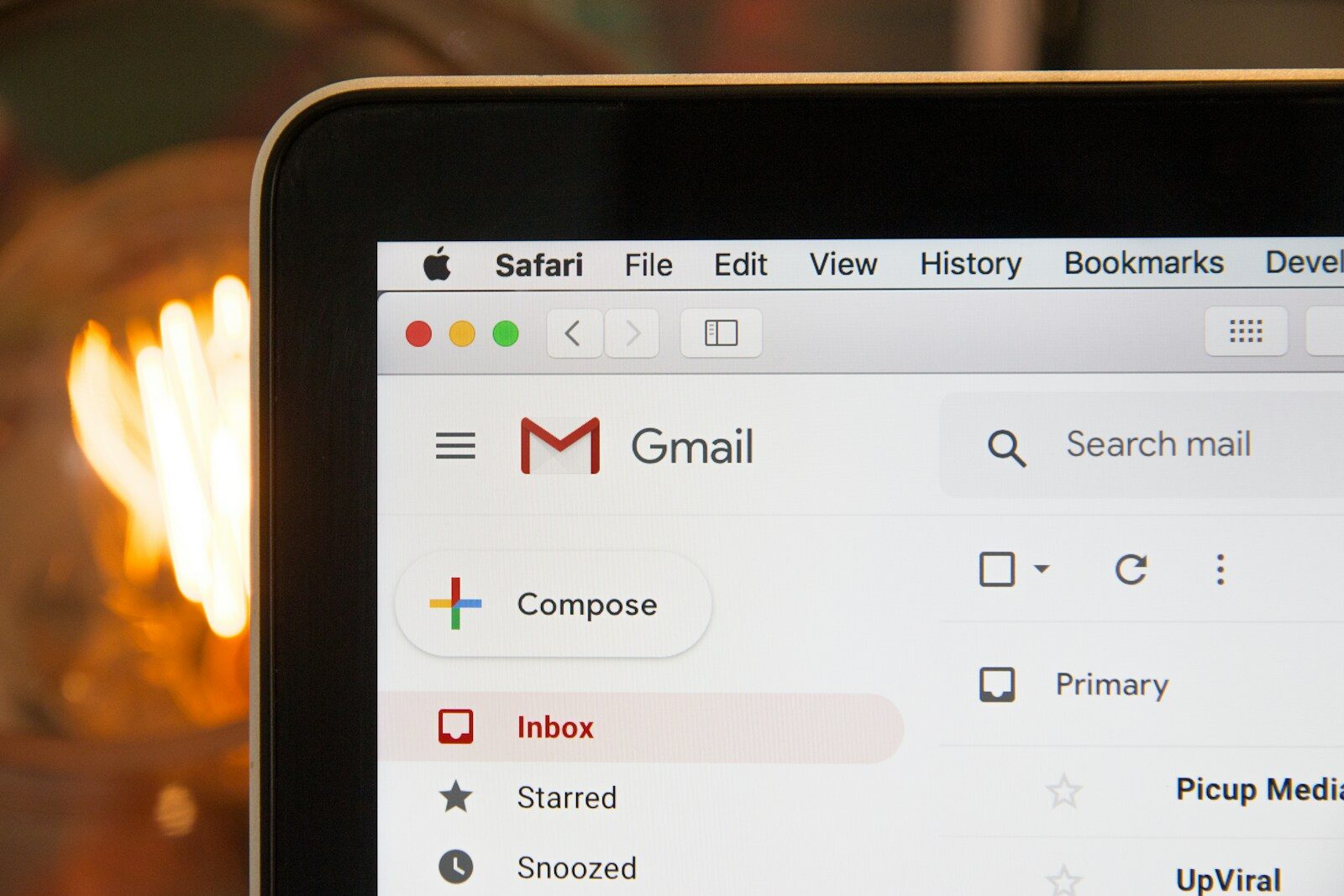
Those scammers make use of counterfeit emails to deceive people.
Most times, they put on an act to be a real customer, or better yet, in the form of a marketer. Always confirm the sender’s email location.
If you find anything odd, don’t be in a hurry to open the link. Being safe is better than being in shock.
Verification of Every Transaction.
This is very necessary.
Either before sending or receiving it, always double-check the transaction details.
The sending of fake alerts or receipts is what gives scammers joy because they hope that their trick is going to catch someone.
Confirm that the payment has been credited to your account before you proceed to the next stage.
Protect your Website.
Your website is the heart of your internet business.
A great disaster might arise if it gets hacked by scammers. Solid passwords are advisable to be used and change them frequently.
Check the website that hosts your company and confirm whether the website is safe.
This is where Hostlinko can be used. All our hosting comes with free SSL certificates and imunify360 protection to keep your business safe from harm.
Enlighten your Employees.
The first line of question in your business is your employees.
Always make sure they know the fundamentals of Internet security.
Train them how to be able to identify phishing tricks, keep distance from suspicious downloads, and protect their mechanisms.
To prevent security violations, daily training sessions must be carried out.
The more you enlighten them, the more they have the knowledge, which means your business will be safer. Observe your accounts.
Always go through your bank transactions, PayPal, and other financial accounts for dangerous activities.
The faster you spot something suspicious, the better you. And don’t just keep quiet.
Know Who you’re Dealing with.
If you’ve only ever met someone online or are not sure of the legality of a business, take some time to do a bit more research.
Do a Google image search on photos or search the internet for people who may have had dealings with them in the past.
If a message or email comes from a friend and it seems unusual or out of character for them, contact your friend directly to check that it was really them that sent it.
Be Careful of Phone Calls.

Do not pick up phone calls regarding your computer asking for remote access, hang up the calls immediately, even if they mention a popular company.
Scammers will regularly ask you to switch on your computer system to fix a problem, install a free upgrade, or activate the system, which is actually a link that will give them access to your password and private data.
Don’t save your personal and account passwords or online banking data on your computer or mobile devices so that anyone or scammers who have gained access to your system or mobile phone illegally won’t be able to access your accounts.
Hints for Identifying a Forge Email.
Scammers can easily forge a legitimate-looking email, they will make use of the same symbol and pattern as the real company.
Receiving an email from a business you are already done with for a while, like Australia Post or a well-known online shopping site, you usually let your guard down.
Always be on a guard for impostor emails before opening attachments or get through the links if you’re not expecting one.
Confirm your Distributor and Traders.
While starting a business with a strange distributor or traders, exercise patience to confirm their main legality.
Go through their physical location, connection details, and internet presence.
Check their reviews from other business owners or customers, and be careful if they persist on an unfamiliar payment portal.
Make use of a dependable communication means.
When you are communicating thoughtful details, use a protected portal, such as encrypted email services with end-to-end encryption.
Elude discussing sensitive information over unprotected portals like public WiFi or unencrypted messaging apps.
Lastly, report scammers immediately.
Inform the security command if you are to become a subject of a scam or you notice a questionable activity.
There is an organization in Nigeria that wipes scammers, which is the Economic and Financial Crimes Commission (EFCC); kindly get in touch with them.
Your possibility of recovering your lost property is higher if the report is made sooner.
How to identify an online Scam.
Identifying on internet scam is always difficult, as scammers are continually making progress on their strategy to defraud people.
Nevertheless, there are some frequently used skills and red flags that will help to you to detect them immediately are;
The proposal look too attractive to be real:
If an proposal look too attractive to be real, and it is real you are to know that scammer is around the corner.
Scammers make use of attractive thing to attract people to them.
They use attractive offers or opportunity to deceive people.
Be careful of price that are seriously lesser than the market price or business offer that promise unusual high income.
Sensation of urgency:
Scammers usually build a sense of emergency to persuade you in order for you to jump to conclusions without double-checking.
They might give you deadline for the offer which may valid for a little time or they may tell you that you need to act quickly to wrap up the contract.
Uninvited connection:
Be vigilant of emails, messages, or mobile calls unexpected, particularly if their questions is based on personal or financial information.
Scammers may position their self as a authorized companies to gain other people trust.
Lack of contact data:
Authorized businesses will surely brings out their contact details, such as face to face address, mobile contact, or email address. Be on one’s guard of website or individuals who offers just an email address, or a PO box as their contact details with no other address like mobile contact.
Fake websites:
scammers usually create fraud websites that look almost the same to a well-known websites or famous brands.
Be on guard to the URL and search for little differences or clerical errors that can stipulate a forge website.
Protect website that use HTTPS encryption will definitely have a lock up icon in the address bar.
Negative or absent online feedback:
Before starting a trade with an organization or individual, inspect their online reviews or objections given by people.
If there are mostly bad feedback or no feedback at all, it can be a total turn off.
Unfamiliar Payment Gateway:
Scammers usually ask for payment through unfamiliar methods, for example; gift cards, bank drafts, or cryptocurrencies.
These techniques provide little to no protection for the purchaser and make it hard to collect your payment back if everything turns out badly.
Requests for Money or Financial Information:
Scammers at the end of the day will ask you to forward money into their account or provide important details to them.
They can also ask for payments through unfamiliar ways, for instance, wire transfers or prepaid gift vouchers, which are very hard to track down or drive back.
How to Collect Your Money or Property Back After Being Scammed:
If you or your business eventually fall victim to an online scam and lose money and some valuable things, there are a few steps you can try to collect your money back:
Act fast and diligently.

The earlier you speak out, the higher your opportunity of recovering your money.
Get in contact with your mobile bank or financial organization right away and give details of the situation.
They will be able to block or reverse the transaction.
Put together all essential evidence: gather information and evidence as many as possible concerning the scam.
This may involve their emails, messages, transaction receipts, and any other important details.
This data will be settled when put in place and reported to the authorities.
Managing a business in Nigeria comes with different difficulties, but internet scams shouldn’t be one of them.
With these few steps provided, I guess you will be able to protect your business and focus on what should come first. and start building it.
Check us here.
Hostlinko provides a fast, secure, and reasonable hosting solution to assist you on your path.
Your business is in safe hands be rest assure with our 99.9% uptime, free SSL, and 24/7 service support.
Always keep it in mind that your business is in your care; handle it diligently and smartly.