For you to have your personal website in Nigeria is a huge deal.
Whether it’s for business, blogging, personal branding, or other things, your website is your digital home know that.
But here’s the thing, just exactly like your physical home needs security, your website also needs it even more than your home.
Cyberattacks are increasing worldwide, and Nigeria is not left out, we are all included.
Businesses have a shortage of millions yearly because they don’t take website security very seriously.
Hackers are seriously searching for weak sites to steal data, spread malware, or cause problem.
In this post, we’ll talk about why website security is critical in Nigeria, the common attacks websites face, and how to keep your site safe.
Let’s look into it.
Why Website Security is very Important in Nigeria
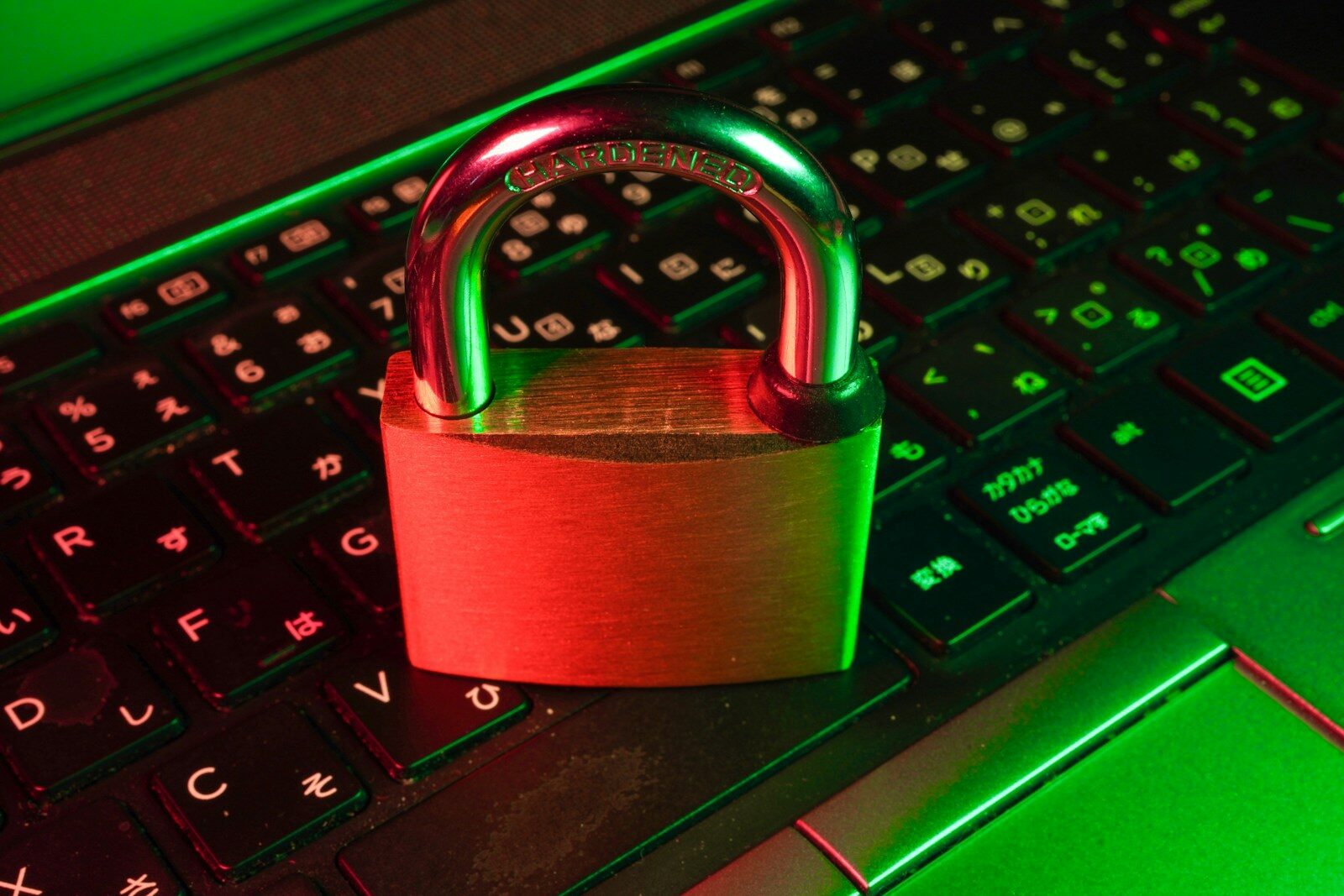
1. Protect Your Business Reputation
Just assume you are operating an online store and you wake up to find your website hacked.
Customers will lose trust in you, and it might take you months before you can recover your reputation back.
We all know that in Nigeria, trust is everything, everything must be built on trust.
People are already skeptical about online transactions.
If your site is not secure, that is a game over.
A protected website will builds credibility and keeps your customers coming back to your sites.
2. Prevent Financial Loss
A security breach can cost you a lot of money.
Hackers can steal your customers’ transaction details, which can cause chargebacks and turn of money.
The worse part is that, they can even demand a huge amount of money to restore your website.
For small businesses, even a single attack can destroy operations.
Investing in security because it will saves you from these potential losses.
3. Comply with Data Protection Laws
Nigeria has data protection laws such as the NDPR (Nigeria Data Protection Regulation).
If your website take care of personal data, you’re required to protect it.
Failure to abide with it can lead to hefty fines and legal problem.
4. Protect Customer Data
Did you know that your website is responsible for safeguarding customer details such as names, addresses, and transaction details.
A data violation could lead to stealing of identity, which damages your business name and risks customer safety.
5. Ensure Website Uptime
Hackers have the capacity to bring your site down with just a attacks such as DDoS (Distributed Denial of Service).
Downtime means a lot of things like lost traffic, lost of sales, and frustrated customers.
Website security make sure your site stays online and accessible at all time.
Common Website Security Threats in Nigeria

You have to understand the type threats your site faces because that is the first step to protecting it.
Below are some of the most common website security challenges in Nigeria:
1. Phishing Attacks
Hackers often create fake versions of your site (which is called duplicate) to trick customers into entering their personal data.
Phishing threat are common in Nigeria, most especially on eCommerce sites, they are very common there.
2. Malware Infections
Malware is a malicious software that can infect your website.
It can thief data, keep redirect traffic to dangerous sites, or completely shut down your website. They are very harmful to website.
3. DDoS Attacks
A DDoS attack affect your server with many traffic, that cause your website to crash.
Nigerian businesses, most especially banks and eCommerce platforms, are there regular targets.
4. SQL Injection
Hackers exploit vulnerabilities in your website’s database to gain permission.
This give them chance to steal or manipulate important information.
5. Brute Force Attacks
Hackers make use of automated tools to suggest your website’s login credentials.
If you using a weak passwords, it’s will make it easier for them to penetrate into your sites.
6. Ransomware Attacks
In a ransomware attack, hackers lock your site and they request for sum of money to release it back to you.
This is becoming more common as Nigerian businesses computerized operations.
7. Defacement
Hackers can deface your website by replacing its appearance or posting offensive content. This can damage your brand image overnight.
How to Protect Your Website
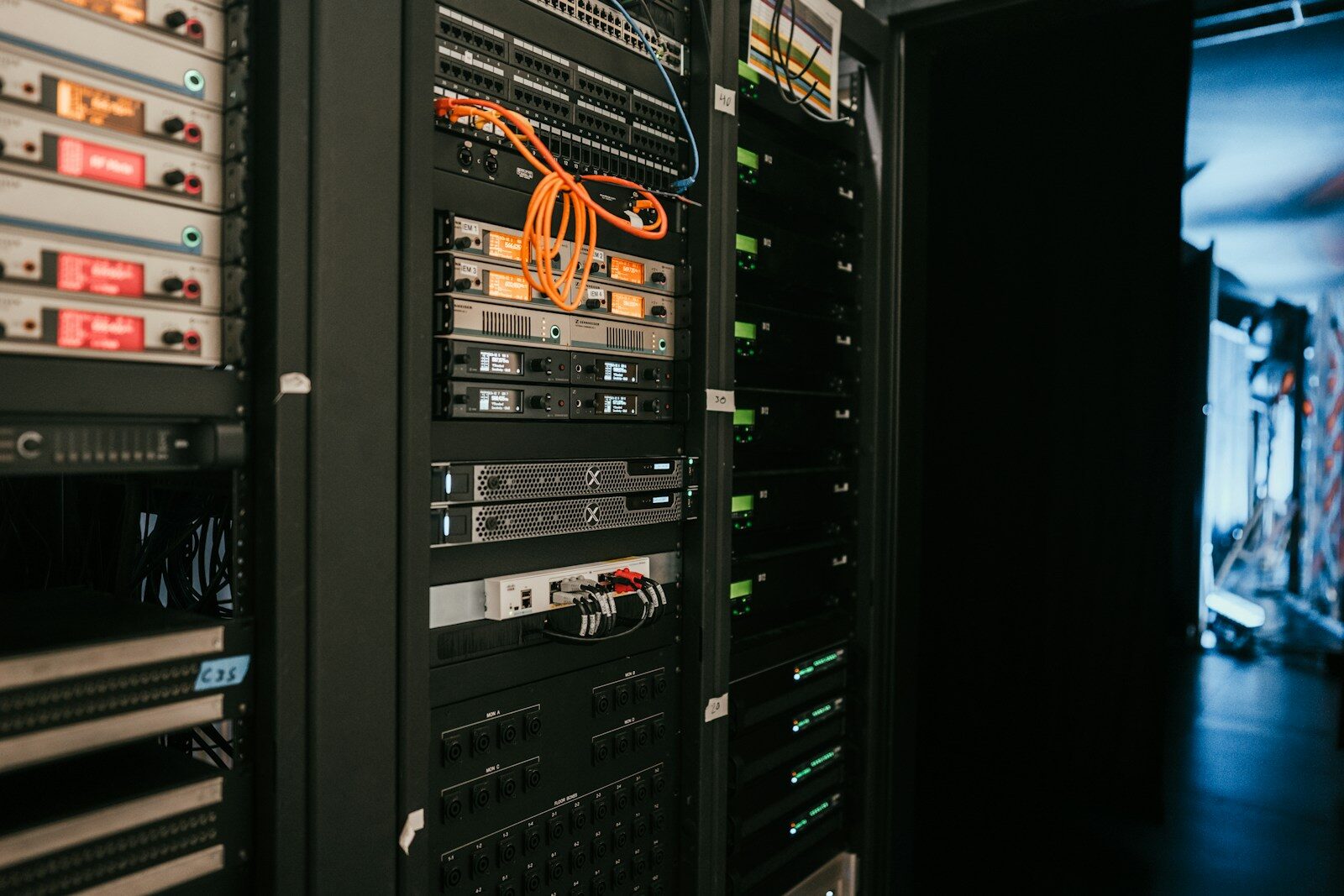
Website security doesn’t have to be worse.
With the right steps, you can secure your site from most attacks.
1. Make Use of HTTPS and SSL Certificates
HTTPS ensures protected communication between your site and customers.
SSL certificates encrypt data like login credentials and transaction details, which makes it hard for hackers to steal.
Most hosting providers, such as Hostlinko, usually render free SSL certificates with each of their plans.
If your site still uses HTTP, it’s the right time for you to upgrade it.
2. Update Your Software Regularly
Old fashioned software is one of the easiest ways for hackers to penetrate into your sites.
Make sure your CMS (like WordPress), plugins, and themes are always up to date, updating is necessary.
Updates usually include security patches that fix vulnerabilities.
3. Use Strong Passwords
Always know that your password should be long, unique, and hard to guess.
Avoid the use of common passwords such as “123456” or “password.”
Use a mixture of uppercase letters, lowercase letters, numbers, and symbols or equation sign.
4. Enable Two-Factor Authentication (2FA)
2FA include an additional layer of security to your login process.
Even if hackers get your password, they can’t have access to your site without the second authentication factor.
5. Install a Web Application Firewall (WAF)
A WAF secure your site by filtering and blocking malicious traffic.
It acts as a shield, which stop hackers before they get close to your server.
6. Schedule Regular Backups
No security system is 100% foolproof. That’s why backups are important.
Daily backups give you assurance that you can restore your site quickly in case of an attack.
Here at Hostlinko, we render free regular backups with our hosting plans.
This keeps your information safe at all times.
7. Limit Login Attempts
Hackers usually use brute force attacks to predict your login credentials.
Limiting login attempts decrease the chances of them succeeding.
8. Scan for Malware Regularly
Make use of tools like Sucuri or Wordfence to scan your website for malware.
Regular scanning help you to detect and fix problems faster before they cause damage to your sites.
9. Educate Your Team
If you have a team that is managing your website, give them a good training that is base on security practices.
Everyone should know how to identify phishing emails, create strong passwords, and update software professional.
10. Select a Secure Hosting Provider
Your hosting provider is your first line of defense.
Look for a host that render robust security features like firewalls, DDoS protection, and malware scanning.
Why Nigerian Businesses Need Website Security
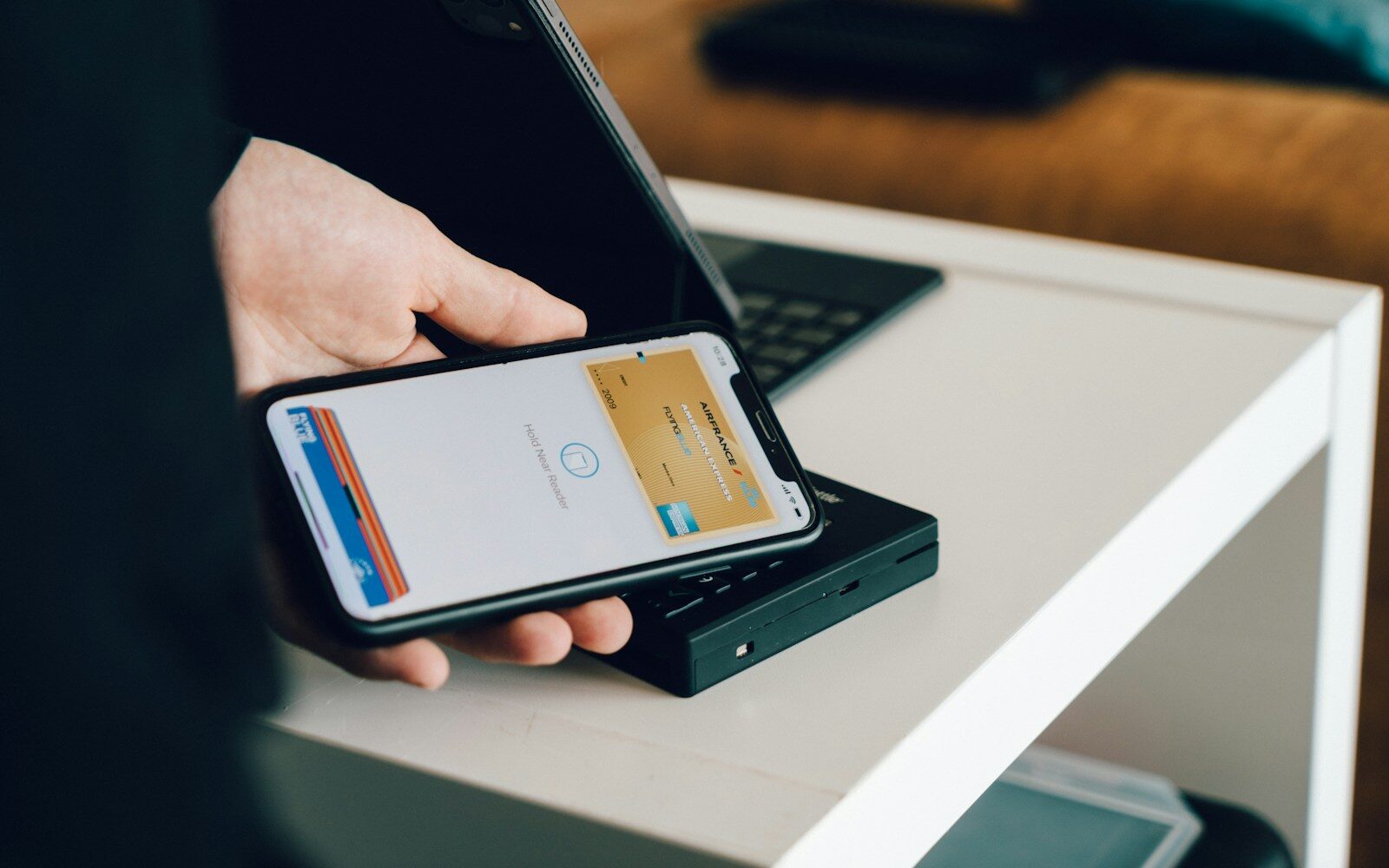
1. eCommerce Growth
Online shopping in Nigeria is booming. If you operate an eCommerce site, protecting customer information is non-negotiable.
A single breach can cause damage to your business.
2. Cybercrime in Nigeria Is Increasing
Nigeria is the main aim of cybercriminals because of its growing digital economy.
Businesses that don’t take security as their prioritize are easy prey.
3. Trust Is Key for Online Success
Nigerians are still very careful about online payment.
A protected website shows that you’re serious about protecting their data, which builds a strong trust.
4. Global Opportunities
If you’re focusing on international customers, website safety is even more critical.
Safe websites rank higher on search engines, which gives you a better visibility.
Why Hostlinko Is the Best Choice for Website Security
Here at Hostlinko, we understand much better how important security is for Nigerian websites.
That’s why we add excellent security features in all our hosting plans.
Here’s what you receive:
1. Free SSL Certificates
Every hosting plan usually comes with a free SSL certificate to protect your site and improve trust.
2. Imunify360 Protection
Imunify360 is an advanced security tool that secure your website from malware, brute force attacks, and other Cyber threats.
3. Free Daily Backups
We automatically back up your website daily, make sure that your data is secure even if something goes wrong with your sites.
4. DDoS Protection
Our servers are equipped to take care of DDoS attacks, keeping your site online even during high traffic surges.
5. 24/7 Support
And even though you come across any security issue, our support team is always available round the clock to assist you resolve them right on time.
6. 99.9% Uptime Guarantee
We make sure that your website stays active online and secure at all times.
Final Thoughts
Website security is not optional. In fast growing digital space, protecting your site is critical to your success.
From phishing attacks to malware infections, the risks are real.
But with the right tools practices, you can keep your website safe.
- If you’re looking for a secure hosting provider in Nigeria, Hostlinko has you covered.
With their free SSL certificates, daily backups, and advanced security tools, we’ll make sure that your site stays protected.
Are you ready to secure your website? Kindly take a visit to Hostlinko today and experience the amazing difference.